 Dramaturgist Press
Dramaturgist Press
Dramaturgist Press
Dramaturgist Press is an independent family press. Our objective is to publish and preserve the literary works of members of our family. These include the works of Kevan Hashemi, who operates the press, as well as the literary works of his grandfather, Kenneth Lane, which we publish with the permission of Kenneth Lane's literary estate. The press publishes online Author's Reference Editions as well as electronic and printed editions.
In the entries below we present our current catalog of books, along with links to Author's Reference Copies as well as links to electronic and print copies of the books when they are available. At the time of writing we are still working on setting up the distribution of our eBooks. We accompany each book with a summary written with help from a large language model after it read each book in its entirety.
Kevan Hashemi, 24th September, 2026

The DukeÕs Gold begins when Sallina and Garibaldi, two young people living near the estate of a powerful Duke, discover a chest of gold hidden in the Duke's forest. While attempting to deliver the gold to the Duke, they encounter three young men who accuse them of stealing the Duke's treasure and threaten them with imprisonment. Frightened by an accusation they cannot easily disprove, Sallina and Garibaldi flee to the coast and stow away aboard the Reliant, a merchant sailing ship. Their escape is the beginning of a journey far greater than either imagined. With gold in their pockets but little experience of the world, Sallina and Garibaldi travel from country to country with the Reliant. They encounter unfamiliar languages and customs, slavery and poverty, friendship and violence, and people whose ideas of right and wrong are very different from their own. As their adventures become increasingly dangerous, the sailors who first regarded them as troublesome stowaways become their friends and protectors. At its heart, The DukeÕs Gold is a coming-of-age adventure. The gold gives Sallina and Garibaldi freedom, but their travels teach them that freedom brings choices, loyalties and responsibilities. For Sallina especially, growing up means learning that independence does not require facing the world alone, and that there are friends she can trust.

The Captive and the Clowns is an adventure story set in a far future where humanity has spread across worlds and universes, while magic, gods, swords, horses and interplanetary travel coexist as ordinary facts of life. Gristel Virage is a professional adventurer. When her friend Richard Crockford is taken captive on the distant planet Feras, she sets out with her husband Quayam and their companion Thristen to bring him home. Their journey takes them across seas, forests and mountains, through trading settlements and warring territories, and eventually into a hidden valley inhabited by dwarves. Along the way, the rescue of one captive grows to encompass another: Lee-Ping, whose fate has become bound up with Richard's. Gristel tells the story with the matter-of-factness of an experienced traveler. Extraordinary events sit comfortably beside bad hotels, dishonest horse dealers, family arguments and practical problems of transport. At its heart, the novel is about friendship and loyalty, and about the peculiar people who choose danger for a living, and the families who wait for them at home.
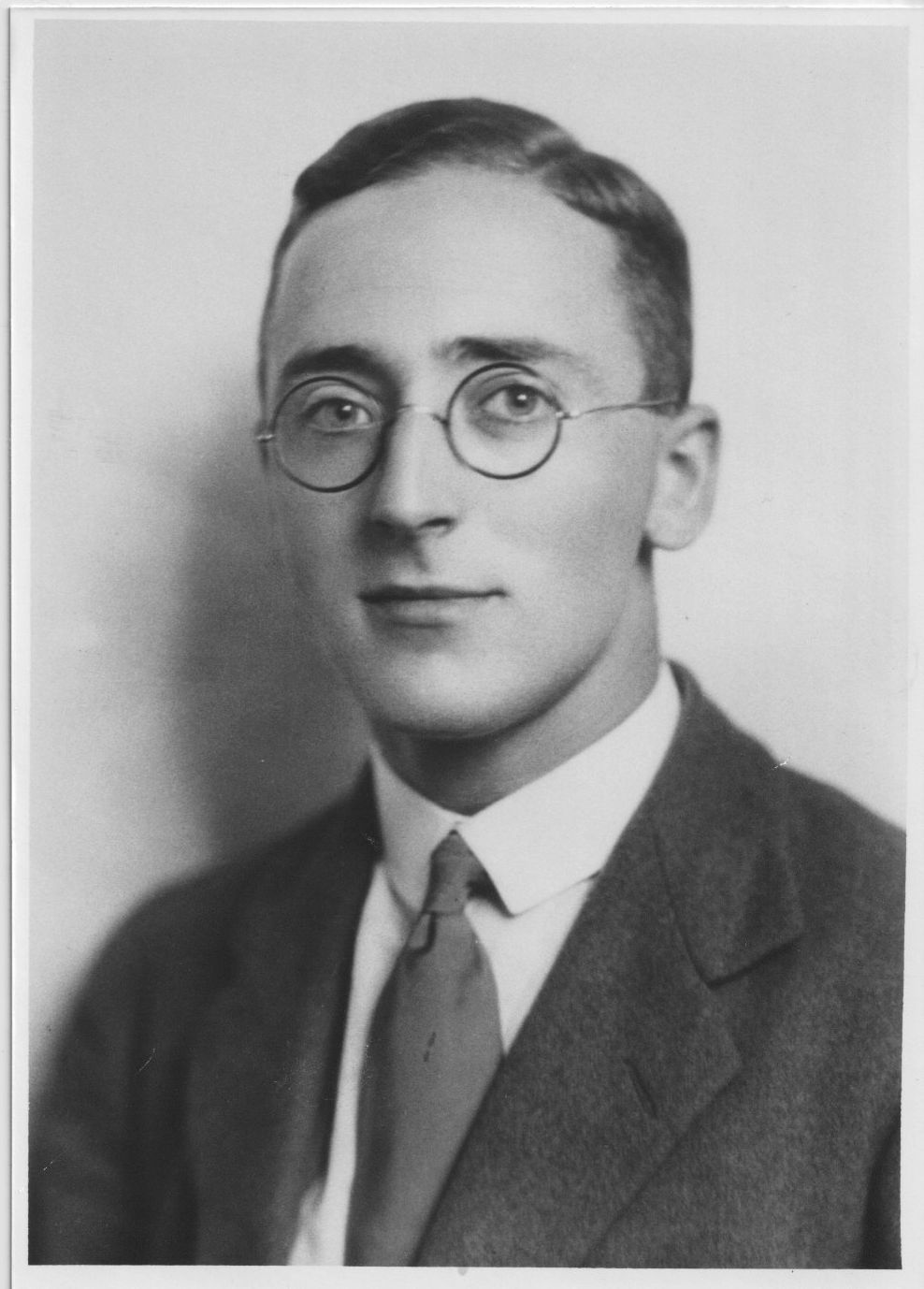
In Diary of a Medical Nobody, Kenneth Lane recounts his life as a country doctor in an era before the sweeping changes of modern medicine. Working in rural communities with limited resources and little specialist support, Lane and his colleagues relied on experience, ingenuity, and each other to care for their patients. Through a series of vivid, often humorous episodes, he brings to life the realities of general practice in the early twentieth century, from improvised treatments and cottage hospitals to the everyday challenges of serving scattered communities. Written with warmth, clarity, and quiet wit, this memoir offers both a valuable historical record and an engaging personal narrative. It will appeal to readers interested in medical history, social history, and the human side of medicine. First published in 1982, this edition restores Kenneth LaneÕs work for a new generation of readers.
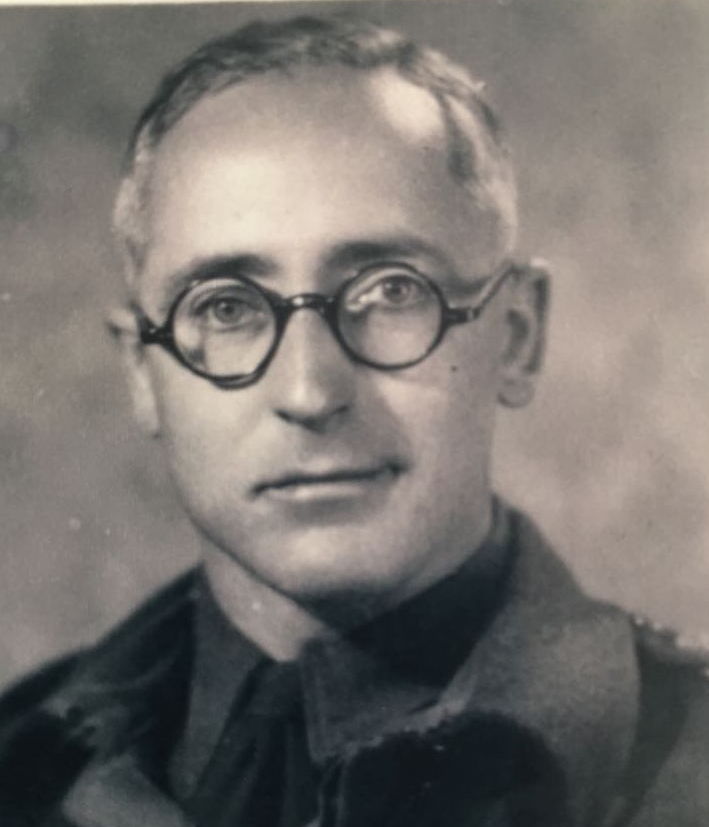
In West Country Doctor, Kenneth Lane recalls his years as a family doctor in rural Somerset, beginning in the years before the Second World War and continuing through the enormous changes that followed it. His patients range from farmers and miners to prosperous families and village eccentrics, their illnesses inseparable from their marriages, livelihoods, prejudices, loyalties and private troubles. Lane writes with affection and considerable humour about a vanished world of medicine: house calls at all hours, babies delivered at home, treatments before antibiotics, the arrival of the first wonder drugs, wartime service, and the telephone that became an almost living member of the doctor's household. But this is as much a book about learning to understand people as it is about treating disease. Again and again, Lane discovers that his first judgment of a patient has been incomplete or simply wrong. Looking back over a lifetime in general practice, he tells these stories with warmth, self-deprecation and an evident affection for the people whose doctor he became. First published in 1984, West Country Doctor is both an engaging memoir and a portrait of British family medicine during a period of extraordinary social and medical change.

In The Longest Art, Kenneth Lane draws upon thirty years in general practice to examine the knowledge, judgment and human understanding required of the family doctor. Medicine, he argues, is not merely a collection of scientific techniques. The general practitioner must understand the patient as a person, the family in which that person lives, and the community of which the family is a part. Through cases drawn from his own practice, Lane considers the everyday and extraordinary responsibilities of the doctor: apparently trivial ailments, emergencies, prescribing, certification, contraception and abortion, negligence, preventive medicine, medical education, and the relationship between general practice and the hospital. He also examines the organization of British medicine and the changes brought about by the National Health Service. At the heart of the book is Lane's conviction that the particular value of family medicine lies in continuity. A doctor who cares for the same people over many years acquires a knowledge of patients and families that cannot readily be replaced by specialization or technical expertise. The result is both a practical examination of general practice and a thoughtful argument for medicine as a humane art. First published in 1969, The Longest Art offers a physician's contemporary account of British general practice at a time when both medicine and the National Health Service were undergoing profound change.